Don't feel like reading and just need a list of codes? Download ours here:
Construction cost codes allow companies to streamline their data management. Without a solid and consistent system, the construction accounts payable process is difficult for all stakeholders. Utilizing standard cost codes is a simple upgrade for new clients, estimators, project managers, administrators, subcontractors, and more. Here’s a quick peek into why you should use AIA (American Institute of Architects) cost codes in daily business.
What Are Standard Cost Codes?
A construction cost code is an organization method whereby construction companies divide costs into specific categories assigned to certain divisions. By using this tactic, companies can see how much a project or job cost them compared to what they originally budgeted or estimated.
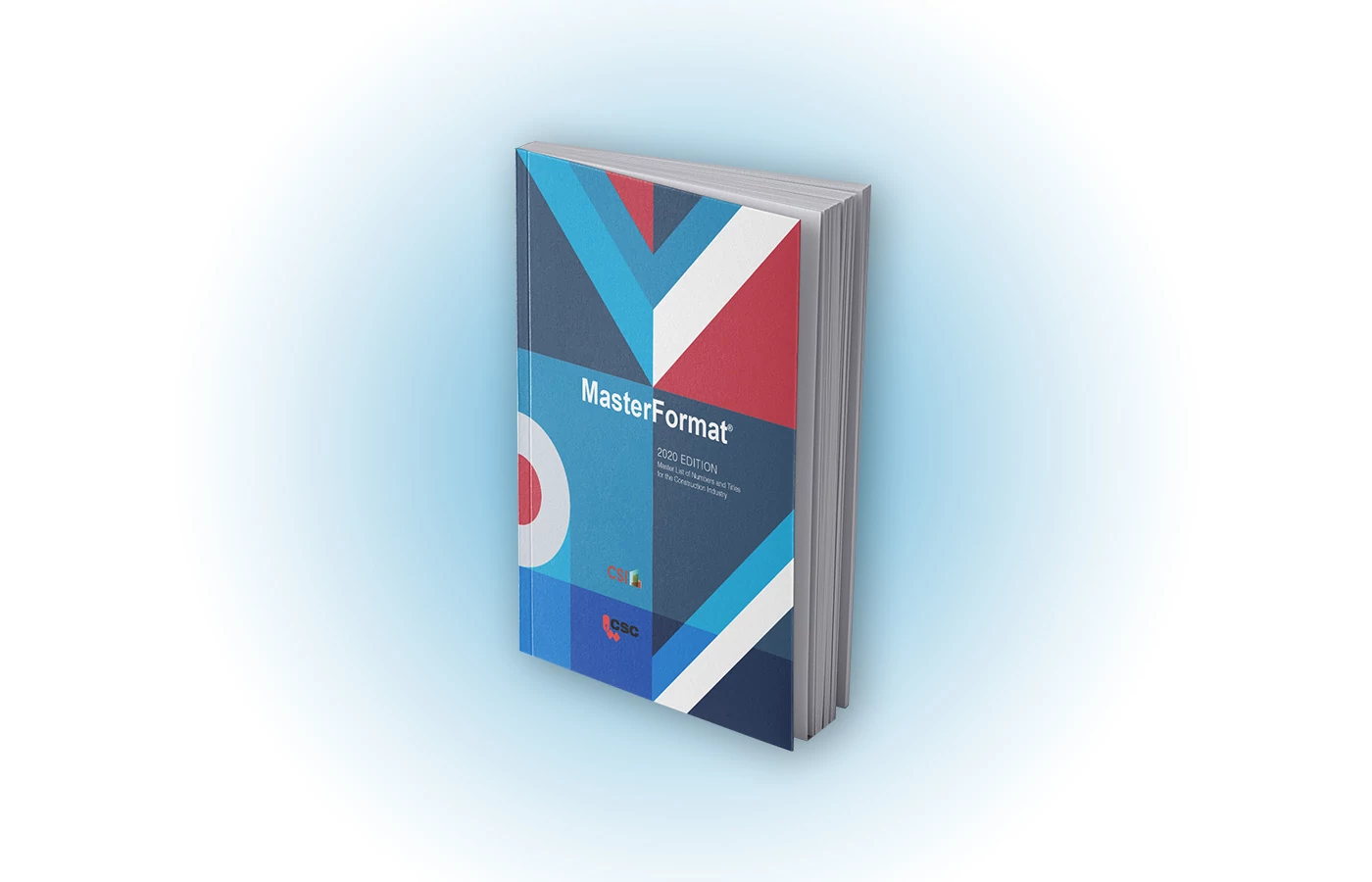
There’s no single set of AIA construction codes for billing. A company will decide between three different formats: CSI MasterFormat, NAHB Cost Codes, or a custom coding system.
Cost codes are also a reliable way for companies to understand what work has been completed on their current projects. AIA cost codes help with tracking, budgeting, analyzing spending, and documenting work. As such, once companies integrate them into their processes, it helps boost productivity and reduce friction.
Benefits of Using AIA Cost Codes
If you’re not sold on overhauling your system and integrating construction cost codes yet, consider the benefits.
Gain a Better Understanding of How Much You’re Spending
This is the primary benefit of using standard cost codes throughout the accounts payable process. When you’re working with new clients or subcontractors, you’ll quickly and easily be able to analyze how much money is spent on every detail of your projects. Understanding this at a moment’s glance will bring instant functionality to this process.
You are Able to Estimate More Accurately
AIA codes give structure to the AP process which means you’ll gain more accurate and realistic estimates when you’re attempting to budget for construction projects.
You Can Identify Profit Centers
Having your projects categorized through cost costs allows your management to identify “profit centers” visually. Profits centers are the areas of your business that bring in the most money. Once you know your profit centers, you can work to maximize these areas while minimizing other types of work that aren’t profitable.
How to Implement an AIA Codes System
You may love the idea of implementing construction cost codes at your company, but it can be difficult to know where to start. The first step is creating a set of construction cost codes so that they’re there for people to use.
The next step is ensuring that your staff understands how to use them correctly. If team members aren’t coding AP documents using the standard AIA cost codes for the right activities, everything will fall apart.
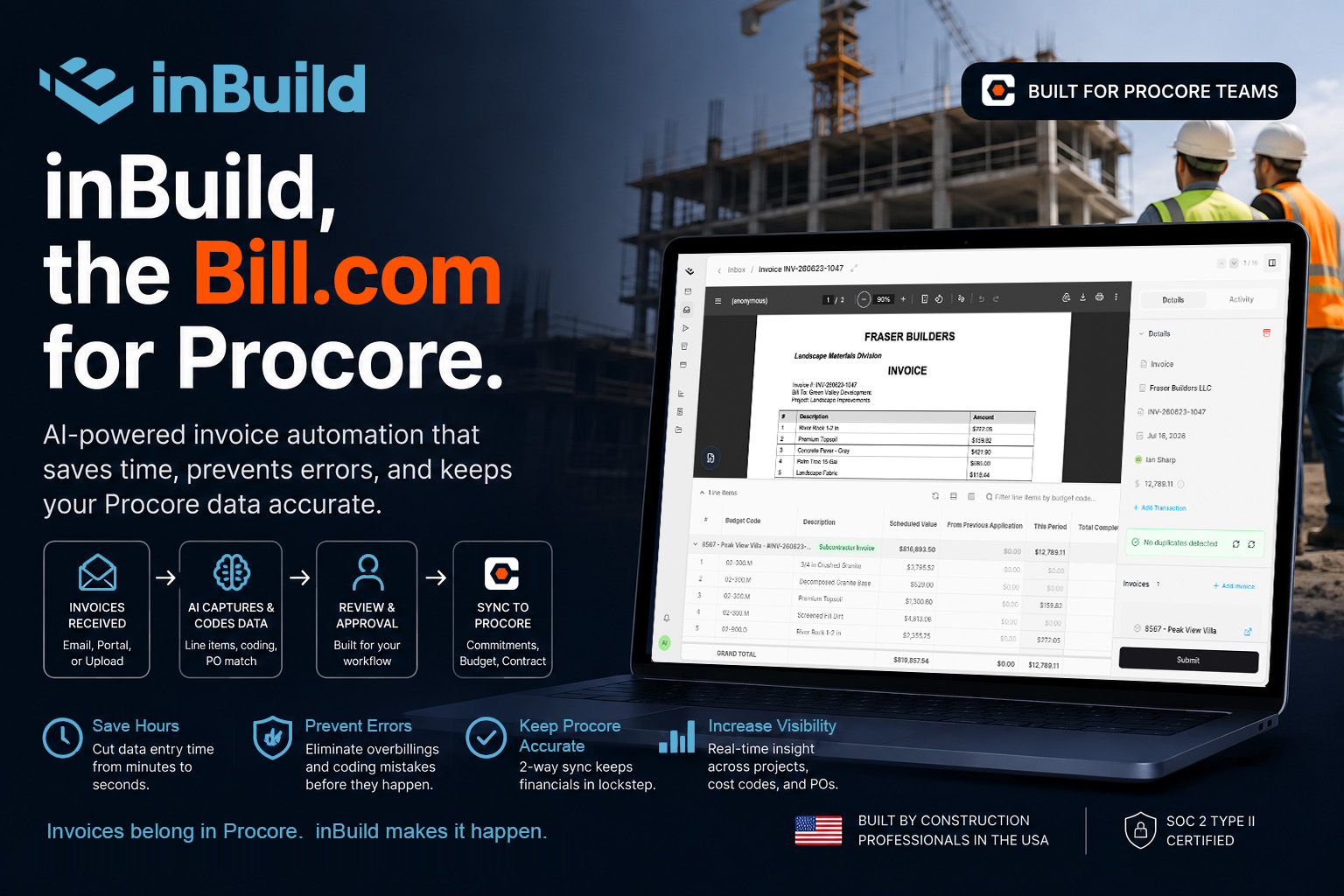
To eliminate confusion, many companies like to use software like inBuild, the construction industry’s most intelligent accounts payable solution. inBuild allows you to stop manually tracking, entering, and cost-coding invoices. The platform helps you streamline your accounts payable workflow with automated cost coding. It’s an easy, organized, and accessible way to grow your business.
Schedule a demo to learn more.